Back to Players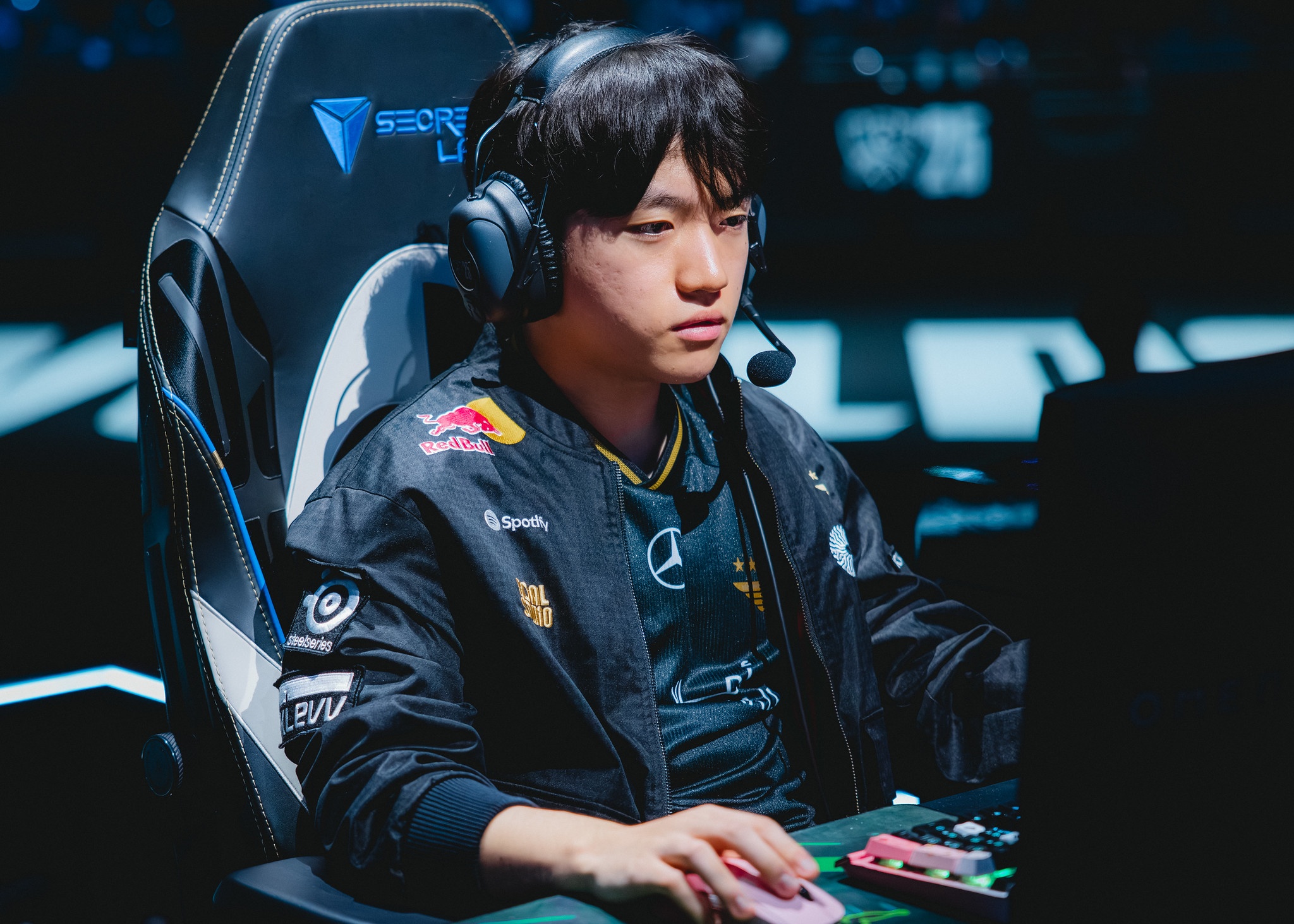
Keria
Ryu Min-seok
Team T1
T1
T1Role
Support
RegionLCK
Biography
A support prodigy with an incredibly deep champion pool and playmaking ability.
Signature Champions
Thresh
Pyke
Lux
Bard
2025 Annual Summary
For T1 support player Keria, 2025 was a year of continuous self-calibration and evolution under peak standards. As the team's long-term starting support, he remained one of the most important "central players" in T1's tactical system, shouldering multiple responsibilities including laning command, vision control, team fight initiation, and on-the-spot decision-making. Throughout the 2025 season, Keria maintained an extremely high attendance rate, consistently appearing in the LCK league and international tournaments. Statistically, he maintained his consistently top-level performance, consistently ranking among the league's best in key support metrics such as vision per minute, team fight participation rate, and assists. His KDA remained significantly competitive among players in the same position. In terms of champion pool, he switched seamlessly between traditional hard supports and utility supports. Initiation champions such as Rakan, Nautilus, and Braum remained crucial to T1's mid-game tempo, while the frequent appearances of high-mechanic and high-decision-forgiving champions like Lena and Bard reflected the high level of trust the coaching staff and teammates had in his individual abilities. Compared to 2024, Keria in 2025 adopted a more restrained laning style, reducing high-risk trades and instead building advantages through more refined wave management and jungle synergy. This significantly improved T1's stability in the bottom half of the map. In team fights, he remained one of T1's most responsible players, repeatedly opening up opportunities for the team through decisive initiations and counter-attacks in crucial resource fights. In terms of communication, Keria further strengthened his role as a "second shot" in the 2025 season. His improved macro-level judgment was evident in in-game voice chat and public interviews; he no longer focused solely on the bottom lane perspective but participated more in discussions about map resources and opponent movements, helping Faker and the coaching staff make more accurate overall judgments. Although he missed out on the FMVP, his contribution to the team's championship was undisputed.